

ASTR Institute Addresses Why Plantar Fasciitis May Return After Orthotics and Injections
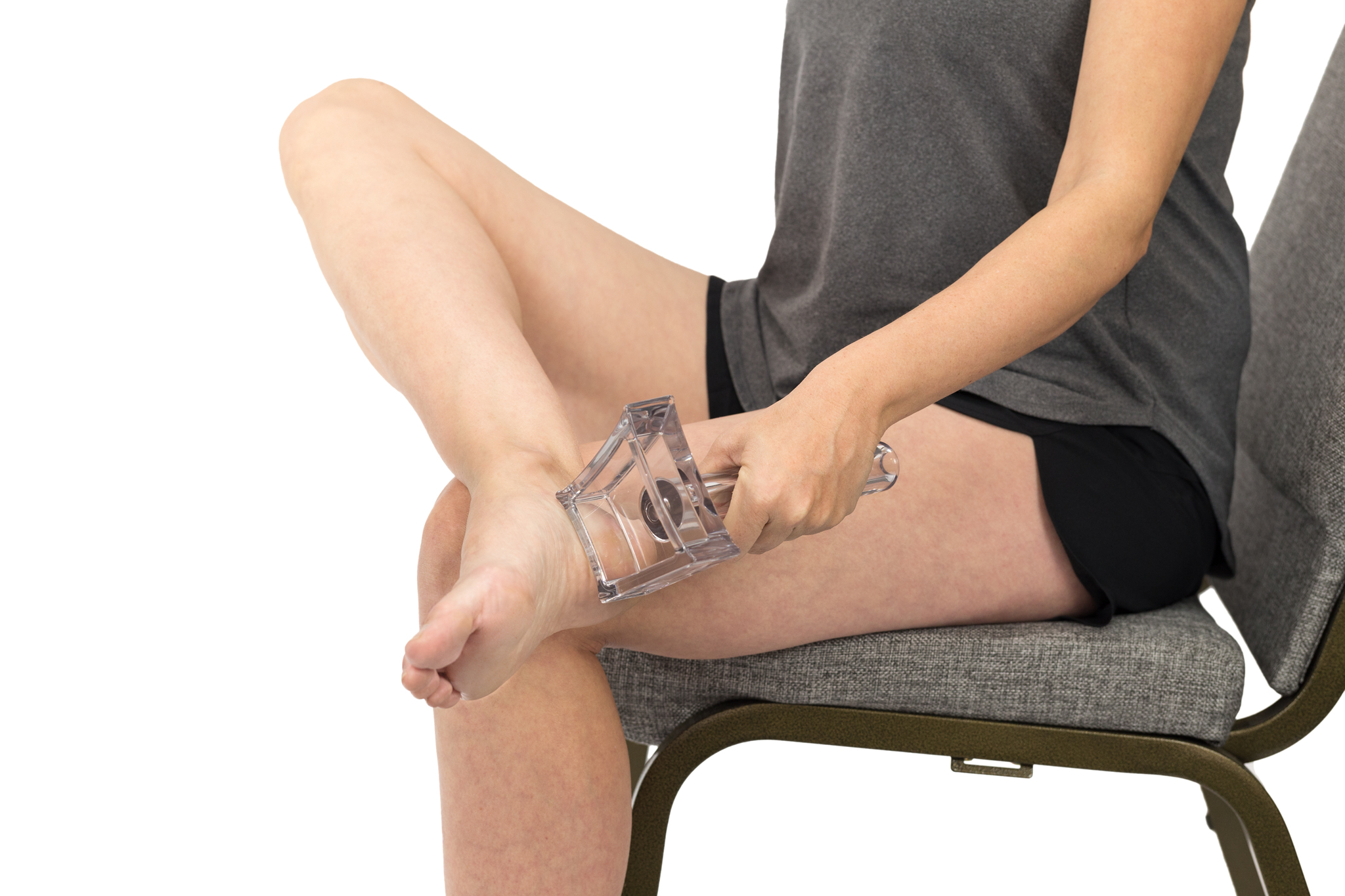
ASTR tool for foot pain
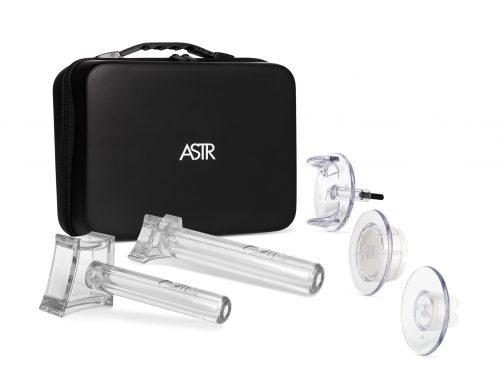
ASTR Tools

Pain No More Book by Dr. Jacobs

Dr. Joseph Jacobs, DPT, ACN
ASTR Institute explains why plantar fasciitis, heel pain, foot pain, fascia restrictions, scar tissue, and inflammation may require root-cause care.
Plantar fasciitis is one of the most common causes of heel pain. It involves irritation of the plantar fascia, the thick band of connective tissue that runs along the bottom of the foot and helps support the arch. Patients often feel sharp heel pain, especially with the first steps in the morning, after sitting, after standing for long periods, or after activity.
Many people with plantar fasciitis try orthotics or corticosteroid injections. These treatments may help some patients. Orthotics may reduce stress on the foot and improve short-term comfort. Injections may reduce pain temporarily. However, ASTR Institute emphasizes that plantar fasciitis may return when the deeper contributors to foot pain are not addressed.
“Many patients are told their plantar fasciitis is only a foot problem,” said Dr. Joseph Jacobs, DPT, ACN, founder of ASTR Institute. “But recurring heel pain may involve the plantar fascia, calf, ankle, foot mechanics, scar tissue, fascial restrictions, gait, posture, inflammation, footwear, and the way the whole body absorbs force.”
- Why Orthotics May Help But Not Fully Resolve Plantar Fasciitis
Orthotics are commonly used to support the arch, reduce strain on the plantar fascia, and improve foot position. For some patients, they may reduce pain and improve function. However, orthotics do not automatically release restricted fascia, break down scar tissue, restore ankle mobility, correct calf tightness, change walking patterns, reduce inflammation, or address the habits that continue to overload the foot.
This is why some patients feel better while wearing orthotics but experience pain again when walking barefoot, changing shoes, increasing activity, or standing for long periods. Others improve for a few weeks or months, then notice the same heel pain returning.
ASTR Institute’s message is not that orthotics are bad. The concern is that orthotics may only reduce stress temporarily if the underlying tissue restrictions and movement patterns remain.
“A brace, insert, or support may help unload the painful area,” Dr. Jacobs said. “But if the fascia is restricted, the calf is tight, the ankle is limited, the gait pattern is abnormal, or inflammation remains high, the pain may keep coming back.”
- Why Injections May Only Provide Temporary Relief
Corticosteroid injections are often used for plantar fasciitis when pain does not improve with basic care. These injections may reduce inflammation and pain in the short term. However, research has shown that steroid injections may provide only temporary benefit for some patients.
A Cochrane review on injected corticosteroids for plantar heel pain found low-quality evidence that local steroid injections may slightly reduce heel pain up to one month, but not after that. Other reviews also discuss the short-term benefit of corticosteroid injections, while noting limitations in the evidence and the need to consider risks.
This matters because an injection may calm pain temporarily without correcting the mechanical, fascial, inflammatory, or behavioral contributors that created the problem. If the same tissue restrictions, gait patterns, footwear issues, calf tension, or inflammatory triggers remain, pain may return after the injection wears off.
ASTR Institute encourages patients to discuss injection risks and benefits with a qualified healthcare provider. The institute also encourages patients to ask why the tissue became irritated in the first place and what can be done to address the full pattern.
- A Root Cause View of Plantar Fasciitis
ASTR Institute uses a root cause framework that looks beyond the heel alone. Instead of only asking where the pain is located, the ASTR model asks why the plantar fascia is overloaded, which tissues may be restricted, which movement habits may be reinforcing the problem, and which body systems may be involved.
In the ASTR model, recurring plantar fasciitis may involve several overlapping contributors.
Scar tissue may develop after injury, inflammation, repetitive strain, or previous tissue irritation. When scar tissue becomes restricted, it may limit normal tissue mobility and contribute to pain, stiffness, and poor movement.
Fascial restrictions may affect the plantar fascia, calf, Achilles tendon, ankle, foot, hip, and even the low back. Fascia is connective tissue that surrounds muscles, nerves, blood vessels, and other structures. When fascia becomes restricted, it may create abnormal pulling patterns across the body.
Trigger points may refer pain into the heel or arch. A patient may feel pain in the foot while part of the contributing soft tissue restriction is located in the calf or other nearby structures.
Calf tightness and ankle restriction may increase stress through the plantar fascia. If the ankle cannot move well, the foot may compensate during walking, standing, or climbing stairs.
Poor gait mechanics may repeatedly overload the plantar fascia. A person may shift weight unevenly, collapse the arch, avoid heel strike, push off incorrectly, or compensate because of hip, knee, ankle, or back limitations.
Inflammation may increase tissue sensitivity. Nutrition, sleep, stress, toxin exposure, chronic disease, and overall health may all influence inflammatory load.
Footwear may also contribute. Shoes that are too narrow, unsupportive, worn out, overly rigid, or poorly matched to the patient’s foot mechanics may keep the plantar fascia irritated.
“Plantar fasciitis is often treated like a local heel problem,” Dr. Jacobs said. “But chronic heel pain may be part of a larger chain involving the calf, ankle, fascia, gait, posture, inflammation, and daily activity.”
- Why Stretching Alone May Not Be Enough
Many patients are told to stretch the plantar fascia or calf. Stretching may help some patients, especially when tightness is one of the main contributors. However, stretching alone may not fully resolve plantar fasciitis when scar tissue, adhesions, fascial restrictions, trigger points, inflammation, or compensation patterns are present.
A patient may stretch every morning but continue walking with poor mechanics all day. Another may stretch the foot but ignore calf restrictions, ankle mobility, hip weakness, or footwear problems. Another may feel temporary relief, but the same pain returns after standing, hiking, running, or working on hard surfaces.
ASTR Institute explains that chronic pain often requires more than one strategy. Stretching may be one tool, but it should not be the only answer when heel pain keeps coming back.
- Why Plantar Fasciitis Can Affect the Whole Body
Recurring foot pain often changes how a person moves. When the heel hurts, the patient may limp, avoid putting weight through the foot, shorten the stride, tense the calf, or shift pressure to the other leg. Over time, these compensations may contribute to knee pain, hip pain, low back pain, or opposite-side foot pain.
The foot is the foundation for standing and walking. If the plantar fascia is painful, the rest of the body may adapt. A root cause approach considers these relationships rather than treating the heel in isolation.
For example, a patient with plantar fasciitis may also have tight calves, limited ankle motion, poor hip control, scar tissue from a prior ankle injury, low back stiffness, or inflammation that keeps the tissue sensitive. Addressing only the heel may miss the larger pattern.
- ASTR Institute’s Root Cause Approach
ASTR stands for Advanced Soft Tissue Release. The ASTR model focuses on identifying and treating root contributors to pain, including scar tissue, fascial restrictions, trigger points, inflammation, posture, ergonomics, nutrition, stress, behavior patterns, and movement dysfunction.
ASTR Institute uses a biopsychosocial approach. This means physical tissue restrictions, biological health, and stress related patterns are considered together. A patient may have real tissue restrictions while also experiencing increased sensitivity from poor sleep, stress, inflammation, fear of movement, or long-term guarding.
“Pain is real,” Dr. Jacobs said. “When we include posture, behavior, nutrition, stress, or inflammation in chronic pain care, we are not minimizing the pain. We are recognizing that the body is connected.”
- Four Day Intensive Program for Complex Plantar Fasciitis and Chronic Pain
ASTR Institute offers a Four Day Intensive Program for complex chronic pain cases, including patients with plantar fasciitis, heel pain, foot pain, and other symptoms that have not improved with standard treatments.
During the intensive, patients receive focused care over four consecutive days. The goal is to identify and address underlying contributors to pain, including scar tissue, fascial restrictions, trigger points, inflammation, posture, ergonomics, behavior patterns, and movement dysfunction.
For patients who travel to Florida for care, the intensive format may be helpful because it allows for multiple treatment sessions in a short period rather than spreading visits over several weeks or months. ASTR Institute states that many patients seeking this type of care have already tried standard approaches such as orthotics, injections, stretching, medication, physical therapy, chiropractic care, massage, or surgery.
ASTR Institute encourages potential patients to request a case review so the team can better understand their condition, symptoms, history, previous treatments, and goals before recommending the next step.
- Home Treatment and Provider Training
In addition to in clinic treatment, ASTR Institute offers home treatment tools and step by step online programs designed to help patients address pain related soft tissue restrictions at home. These programs may be useful for patients who are not able to travel or who need guided support after in clinic treatment.
ASTR Institute’s home treatment model includes patented instruments developed by Dr. Jacobs. These tools are designed to help patients work on soft tissue restrictions, scar tissue, fascial tightness, and myofascial pain patterns using guided protocols. The goal is to provide structured instruction rather than leaving patients to guess which stretches or tools to use.
For patients with plantar fasciitis, home treatment may include education related to foot mechanics, calf restrictions, fascia mobility, posture, gait habits, and daily stress placed on the plantar fascia.
ASTR Institute also offers provider training for healthcare professionals who want to learn the ASTR treatment model. Provider education includes the ASTR model, patented tools, scar tissue and fascial restriction release, myofascial pain, treatment protocols, and root cause thinking.
- Patient Education Through Books, Videos, and Online Resources
Dr. Jacobs has authored multiple health books focused on chronic pain, inflammation, nutrition, migraines, back pain, anxiety, depression, diabetes, high blood pressure, and natural healing. His educational work is designed to help patients understand the root causes of chronic symptoms and take a more informed role in their care.
ASTR Institute also provides treatment videos, success stories, product education, home treatment options, provider training resources, and books through its website. These resources are intended to help patients and providers better understand the ASTR model and the importance of addressing pain at its source.
- About ASTR Institute
ASTR Institute is a chronic pain and natural healing institute founded by Dr. Joseph Jacobs, DPT, ACN. Dr. Jacobs is a Doctor of Physical Therapy, Advanced Clinical Nutritionist, inventor of patented medical devices, author, functional medicine practitioner, educator, and cancer survivor. After experiencing chronic migraines, fatigue, and pain, Dr. Jacobs developed the ASTR treatment model to address pain at its source using a biopsychosocial approach.
ASTR stands for Advanced Soft Tissue Release. The ASTR model focuses on identifying and treating root contributors to pain, including scar tissue, fascial restrictions, trigger points, inflammation, posture, ergonomics, nutrition, stress, behavior patterns, and movement dysfunction. ASTR Institute offers the Four Day Intensive Program, home treatment programs, patented treatment tools, provider training, books, supplements, lab panels, and educational resources for patients and healthcare providers.
References
- Mayo Clinic. Plantar Fasciitis, Symptoms and Causes.
- American Academy of Orthopaedic Surgeons. Plantar Fasciitis and Bone Spurs.
- David JA, Sankarapandian V, Christopher PRH, Chatterjee A, Macaden AS. Injected corticosteroids for treating plantar heel pain in adults. Cochrane Database of Systematic Reviews. 2017.
- Whittaker GA, Munteanu SE, Menz HB, et al. Corticosteroid injection for plantar heel pain: A systematic review and meta analysis. BMC Musculoskeletal Disorders. 2019.
- Lewis RD, Wright P, McCarthy LH. Orthotics compared to conventional therapy and other non surgical treatments for plantar fasciitis. Journal of Oklahoma State Medical Association. 2015.
- Tatli YZ, Kapasi S. The real risks of steroid injection for plantar fasciitis. Current Reviews in Musculoskeletal Medicine. 2008.
Dr. Joseph Jacobs, DPT
ASTR Institute
+1 949-236-6862
email us here
Visit us on social media:
LinkedIn
Instagram
Facebook
YouTube
TikTok
X
How to Fix Plantar Fasciitis: 3 Powerful Treatments You Haven’t Heard Of
Legal Disclaimer:
EIN Presswire provides this news content "as is" without warranty of any kind. We do not accept any responsibility or liability for the accuracy, content, images, videos, licenses, completeness, legality, or reliability of the information contained in this article. If you have any complaints or copyright issues related to this article, kindly contact the author above.
