

Get your daily news on consumer products
Provided by AGP
Global Optimism Shaken as Iran Conflict Disrupts International Business Outlook, Gedeth Report Reveals
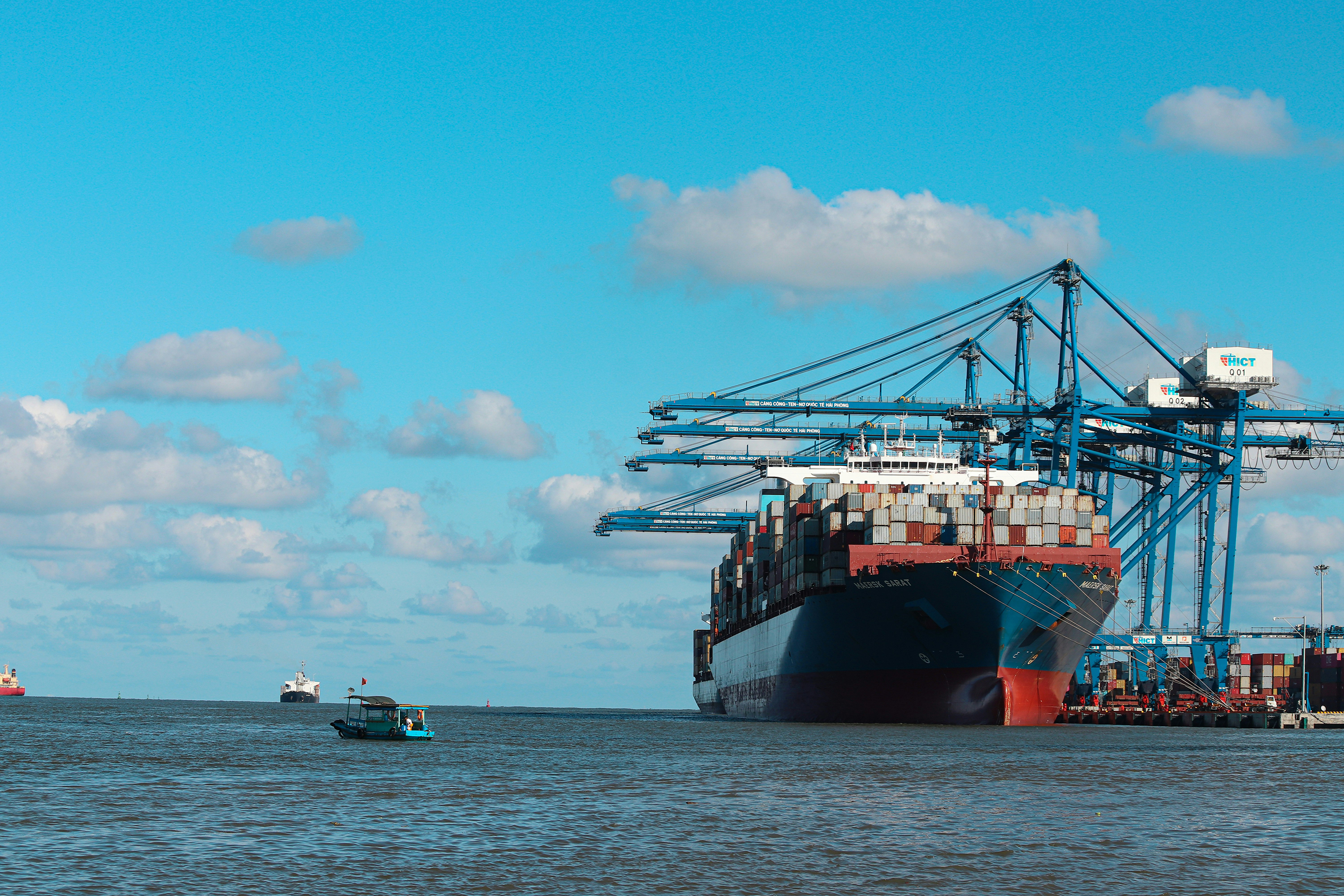
Foto de Nathan Cima en Unsplash
Before the war, companies had planned to expand their workforce, diversify into new markets or capitalise on AI and digitalisation opportunities.
Even amid rising global risks, businesses remained remarkably forward-looking—turning to innovation and international expansion as engines of growth”
DELAWARE, DE, UNITED STATES, April 3, 2026 /EINPresswire.com/ -- Just weeks before the war in Iran, nearly 60% of companies worldwide expected business growth in 2026 and just 2% expected the economic situation to worsen. Now, that optimism has been overshadowed by renewed global instability, according to Gedeth Network’s Report on the Impact of Tariffs and War on International Business, supported also by DHL Express.— Juan Millán, CEO of Gedeth Network.
For the global study, Gedeth Research Center contacted more than 50,000 companies across sectors and received feedback from firms in over 90 countries regarding the impact of tariffs and the impact of the war (in a second report to be distributed shortly). Before the conflict, confidence was high—particularly in North America (66%)—with companies planning to expand staff, enter new markets, and capitalize on opportunities in AI and digital transformation.
In analysing the pre-war impact, the report also reveals:
• Increase in sales. Two-thirds of respondents indicated that they expected sales to grow, mainly at a moderate rate (41%), but with a significant proportion expecting strong growth (26%). Just 6% of respondents expected a decline in sales, and the vast majority of these expected it to be moderate. Companies based in East Asia and the Pacific were the most optimistic: 65% expected moderate growth and 16% expected strong growth.
• Stability in employment. Companies were more cautious regarding employment. Almost two-thirds of respondents (59%) expected employment to remain stable, whilst 29% anticipated growth and only 12% a reduction. Expectations of growth were lower in EMEA (26%) than in Asia-Pacific and the Americas.
• Technology, the big winner before the war. The technology sector had the brightest outlook, with 64% of respondents expecting it to benefit the most. Energy (35.5%), healthcare (32.9%) and professional services (24%) were the next most frequently chosen sectors by respondents. At the other end of the scale, only 10.7% of respondents expected the manufacturing industry to fare well in the situation. This is consistent with a scenario in which companies were concerned about tariffs whose guiding strategy, at least in theory, was to curb the reindustrialisation of certain countries.
• Diversify to grow and sustain. Among the proposed strategic options, companies predominantly opted for diversification into international markets (29%) across the three global regions studied. In this case, American companies were the least focused on overseas markets (25% compared to 22% focused on the local market). Product and service diversification and cost optimisation were the next most popular options, selected by 19% of respondents, with significant regional differences: cost optimisation and operational efficiency were a priority in EMEA (24%), and of little importance in Asia-Pacific (6%). Finally, focus on the local market (17%) and strategic alliances (14%) were the options least frequently chosen by respondents.
• International instability was the greatest threat. International instability (52%) and tariffs (41%) were the main threats perceived by respondents before the war began, whilst the energy market (5.5%) was the least significant, trailing behind demographic factors (7.8%) and weather events (11%). We can also highlight regulatory concerns (34%) and uncertainty regarding the impacts of artificial intelligence (19.2%).
• AI: a threat and an opportunity. Artificial intelligence is perceived as a threat, but also as an opportunity, given that almost 60% of respondents cited AI and digitalisation as the most significant opportunity, alongside access to new markets (48%) and product innovation (41.4%). The depreciation of the dollar and other currencies was of little interest to respondents (only 9.2%), and there did not appear to be high expectations regarding innovation in the energy sector either (10%).
“Even amid rising global risks, businesses remained remarkably forward-looking—turning to innovation and international expansion as engines of growth”, said Juan Millán, CEO of Gedeth Network.
Ricardo Schell
Noizze Media, S.L
+34 699 98 39 36
email us here
Legal Disclaimer:
EIN Presswire provides this news content "as is" without warranty of any kind. We do not accept any responsibility or liability for the accuracy, content, images, videos, licenses, completeness, legality, or reliability of the information contained in this article. If you have any complaints or copyright issues related to this article, kindly contact the author above.
