

Independent Analysis on Autonomous Mobile Retail Platform Development
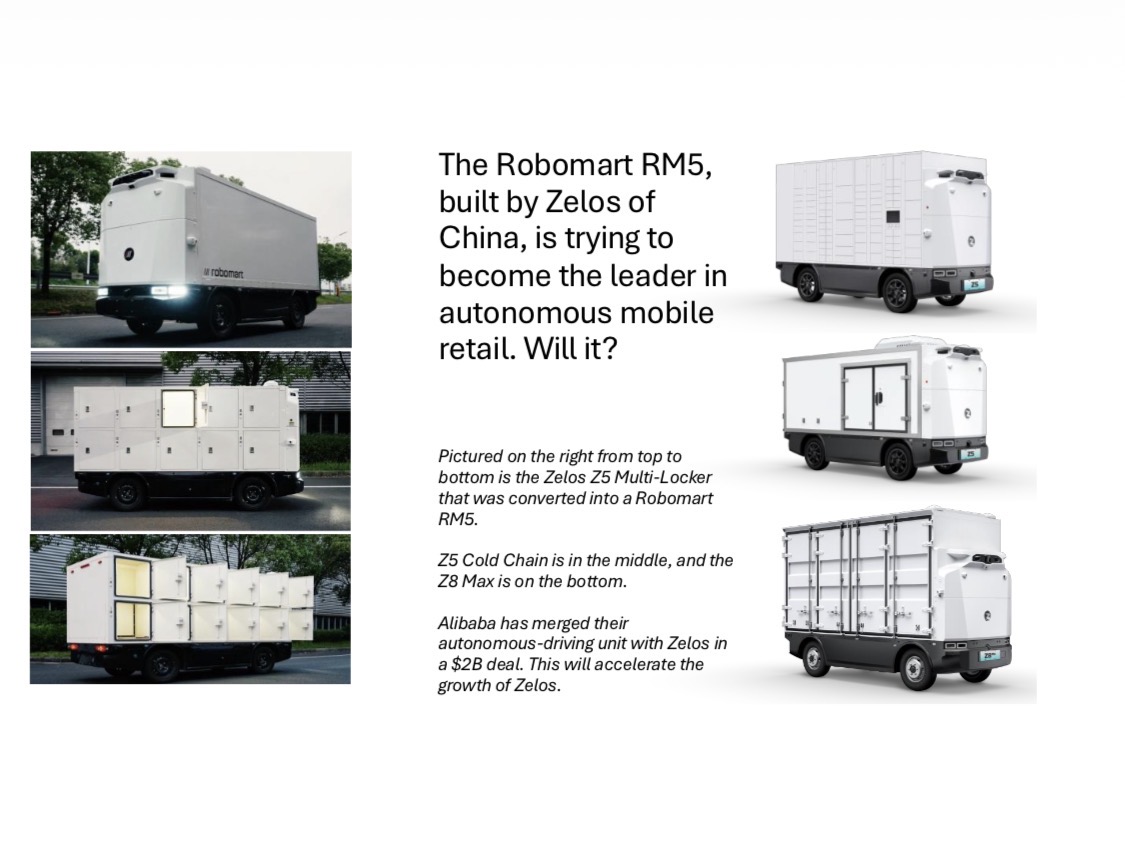
An independent report providing context on the development and evolution of autonomous, locker-based mobile retail platforms.
This report examines the technical and platform lineage behind the Robomart RM5 and documents prior mobile, locker-based retail systems that existed before its release.”
LOS ANGELES , CA, UNITED STATES, February 4, 2026 /EINPresswire.com/ -- An independent analysis authored by Brittain Ladd examines the development of autonomous, locker-based mobile retail platforms and the evolution of the Robomart RM5.— Deloss Pickett
Robomart has positioned the RM5 as a purpose-built autonomous vehicle designed to disrupt last-mile delivery and compete with incumbents such as DoorDash and Uber Eats. The analysis explores how the RM5 came to market and places it within the existing landscape of autonomous logistics and mobile retail.
According to the report, the RM5 was not developed entirely from the ground up. As is common in autonomous logistics, the system appears to be built on an existing vehicle platform, with proprietary software, retail workflows, and operating processes layered on top. The underlying platform discussed in the analysis originates from ZelosTech, a company that has developed and deployed cab-less, locker-based autonomous delivery vehicles prior to the RM5’s public debut.
The report emphasizes that sourcing a base platform is standard practice across robotics and electric vehicle industries and does not imply misconduct. Instead, the analysis focuses on clarifying innovation lineage and understanding how autonomous mobile retail systems evolve through layered development.
The analysis also notes that locker-based mobile retail concepts pre-date the RM5. Prior public demonstrations and deployments in the category included temperature-controlled mobile locker vehicles and autonomous delivery platforms developed by multiple companies over several years.
Beyond platform origins, the report evaluates competitive claims surrounding autonomous mobile retail. While autonomous vehicles may reduce certain labor costs, the analysis concludes that economic competitiveness depends on specific operating conditions, including vehicle utilization, order batching, delivery density, and effective exception handling.
The report suggests that autonomous delivery strategies are likely to be pursued broadly across the industry, with multiple large platforms capable of partnering with vehicle manufacturers to develop customized solutions.
This analysis does not allege wrongdoing by any party and is presented for informational and industry context only.
The full analysis, including images referenced in the report, is available here:
https://www.linkedin.com/posts/brittainladd_retail-ai-logistics-activity-7423054244787716097-osU6
Authored by Brittain Ladd.
Distributed by BIB Technologies for informational purposes.
Deloss Pickett
BIB technologies, Inc.
email us here
Legal Disclaimer:
EIN Presswire provides this news content "as is" without warranty of any kind. We do not accept any responsibility or liability for the accuracy, content, images, videos, licenses, completeness, legality, or reliability of the information contained in this article. If you have any complaints or copyright issues related to this article, kindly contact the author above.
